First ever: breakthrough in human MSC exosome therapy for knee osteoarthritis
First ever! New breakthrough in knee osteoarthritis treatment using human MSC extracellular vesicles
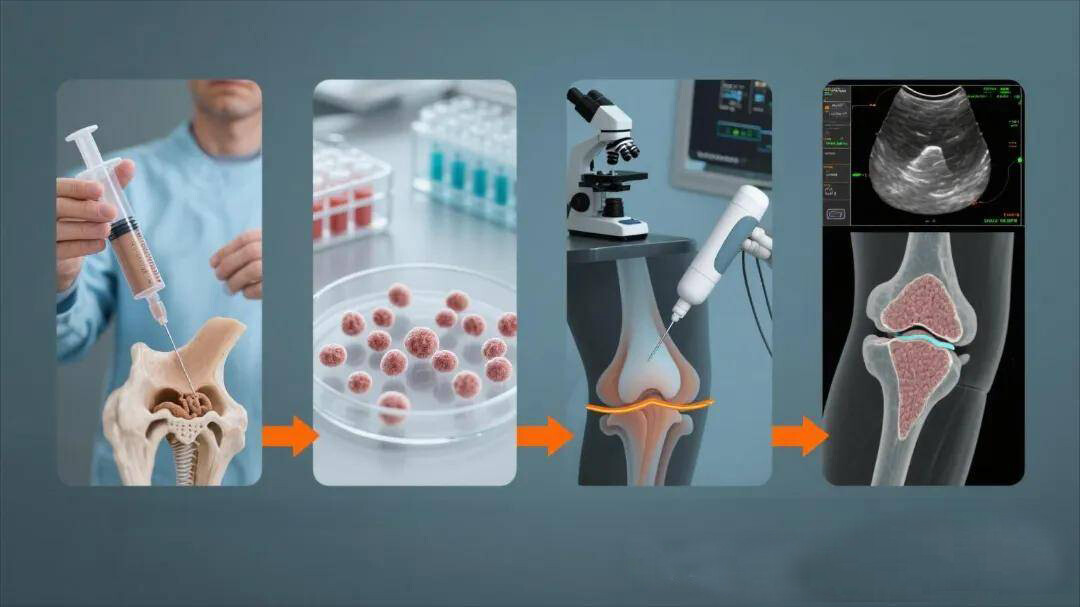
Recently, a team of scientists from the Andes University in ChileJournal of NanobiotechnologyPublished a study titled "Clinical‑grade extracellular vesicles derived from umbilical cord mesenchymal stromal cells: preclinical development and first‑in‑human intra‑articular validation as therapeutics for knee osteoarthritis" (Clinical-Grade Exosomes from Umbilical Cord Mesenchymal Stromal Cells: Preclinical Development and First-in-Human Intra-Articular Validation for Knee Osteoarthritis Therapystudy. Through various in vitro and in vivo experiments, this study comprehensively investigated the efficacy, safety, and potential mechanisms of action of exosomes (sEVs) derived from umbilical cord mesenchymal stromal cells (UC-MSCs) in treating knee osteoarthritis.
01 Research Background
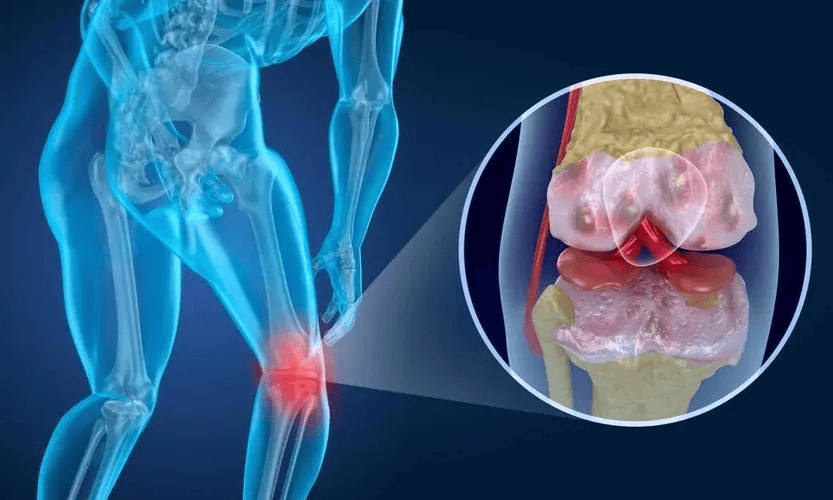
Osteoarthritis (OA) is a common, progressive, multifactorial joint disease.is one of the leading causes of chronic pain and disability.Among these, the knee is the joint most severely affected by OA, with nearly 4/5 of all OA cases occurring in the knee. Currently, there are no treatments that can slow cartilage degeneration or restore joint function for knee osteoarthritis. Existing therapies primarily rely on multimodal approaches to manage pain and joint stiffness.
Key features of OA include chronic synovitis and cartilage degeneration, with emerging evidence indicating that synovitis precedes cartilage degeneration.Macrophages play a critical role in synovial tissue.Pro-inflammatory M1 macrophages release cytokines such as IL-1β, IL-6, and TNF-α, which trigger, sustain, and amplify inflammation. In contrast, anti-inflammatory M2 macrophages secrete IL-10, a key factor in tissue repair and inflammation resolution. In osteoarthritis (OA) patients, synovitis is characterized by an increase in M1 macrophages that produce reactive oxygen species (ROS). ROS contribute to inflammation, matrix dysregulation, and cartilage damage, while oxidative stress also induces chondrocyte apoptosis. Therefore, controlling inflammation and oxidative stress is a critical strategy for OA treatment.
Mesenchymal stem cells (MSCs) and their secretedsEVs show promise in OA treatment. MSC-derived sEVs possess tissue regenerative capabilities similar to cells and offer higher safety as an acellular therapy. In OA animal models, MSC-sEV therapy has demonstrated efficacy in promoting cartilage regeneration and slowing OA progression. Among MSC sources, umbilical cord (UC)-derived MSCs are considered the most promising for OA treatment due to their strong chondrogenic potential, ability to inhibit T-cell proliferation in vitro, and lower angiogenic properties. Based on this, our research team aims to develop a clinical-grade therapy using UC-MSC-derived sEVs and evaluate its efficacy and safety.
02 Research Data
This study aims to develop aDevelop a clinical-grade therapy derived from UC-MSC-derived sEVs and evaluate its efficacy and safety.Research on sEVs derived from UC-MSCs under non-cGMP conditions revealed consistent miRNA and protein profiles across multiple batches, enabling standardized production processes.
InIn vitroIn this study, sEVs demonstrated chondroprotective activity. Researchers established a model of polarized human monocyte-derived macrophages (hmMΦs). Flow cytometry analysis revealed that sEV treatment reduced the expression of M1 pro-inflammatory markers (CD86, HLA-DR) and increased the expression of M2 anti-inflammatory markers (CD206, CD163) in hmMΦs. ELISA assays showed increased secretion of the anti-inflammatory cytokine IL-10 and decreased secretion of pro-inflammatory cytokines IL-6, TNF-α, and IL-1β. In menadione-induced cytotoxicity assays, sEVs effectively protected chondrocytes by reducing the proportion of apoptotic/dead cells. Furthermore, LDH release assays indicated that sEVs exhibited no significant toxicity to chondrocytes.
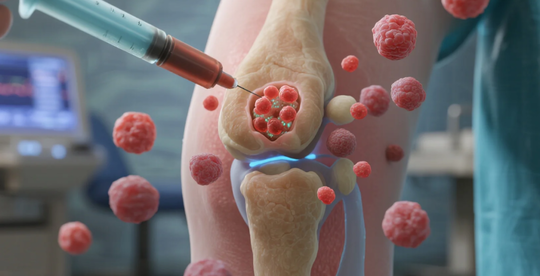
InMouse ExperimentIn this study, researchers established a collagenase-induced osteoarthritis (CIOA) mouse model and conducted preclinical intra-articular sEV administration. μCT imaging revealed improved bone mineral density (BMD) and BS/BV indices in the knee joints of mice treated with sEV. Safranin O/Fast green staining further confirmed the chondroprotective effect of sEV, evidenced by lower histological scores. Additionally, analysis of popliteal lymph nodes demonstrated that sEV suppressed inflammation, modulated CD4+ T cell populations, reduced pro-inflammatory cells, and increased regulatory T cells (CD25+FOXP3+ Tregs). Biodistribution studies showed that DiR-labeled sEVs remained stably localized within the knee joint space for an extended period after injection.
InFirst-in-Human Clinical TrialIn this study, researchers injected clinical-grade UC-MSC-sEVs into the joints of patients with knee osteoarthritis. Results showed that clinical scores (WOMAC index) decreased and symptoms improved at baseline and after 1 years of treatment, with no adverse events observed. Third-party MRI assessments using SPAIR and WATSc sequences revealed no signs of cartilage degeneration, confirming the preliminary safety of the first human intra-articular administration of sEVs. A follow-up 1-phase clinical trial was subsequently designed to evaluate low, medium, and high doses of sEVs (2±0.5E+9 particles/3 mL, 6±0.5E+9 particles/3 mL, 20±0.5E+9 particles/3 mL), with a follow-up period of 1 years. These findings were validated in randomized controlled trials conducted in 2019 during 1/2-phase studies and an 1-phase dose-escalation trial.
03 Research Findings
Through multiple in vitro and in vivo experiments, this study comprehensively evaluated the efficacy, safety, and potential mechanisms of UC-MSC-derived sEVs for treating knee osteoarthritis. For the first time, we assessed the safety of intra-articular administration of a clinical-grade product in humans, fully characterized non-cGMP UC-MSC-derived sEVs, and validated the feasibility of a standardized manufacturing process.
Studies have fully confirmed the regenerative and anti-inflammatory properties of UC-MSC-sEV as an intra-articular therapy, along with its excellent safety profile. The upcoming Phase 1 clinical trials investigating different sEV dosages will further explore the optimal treatment regimen for knee osteoarthritis, laying a solid foundation for the future widespread application of sEV in this field.