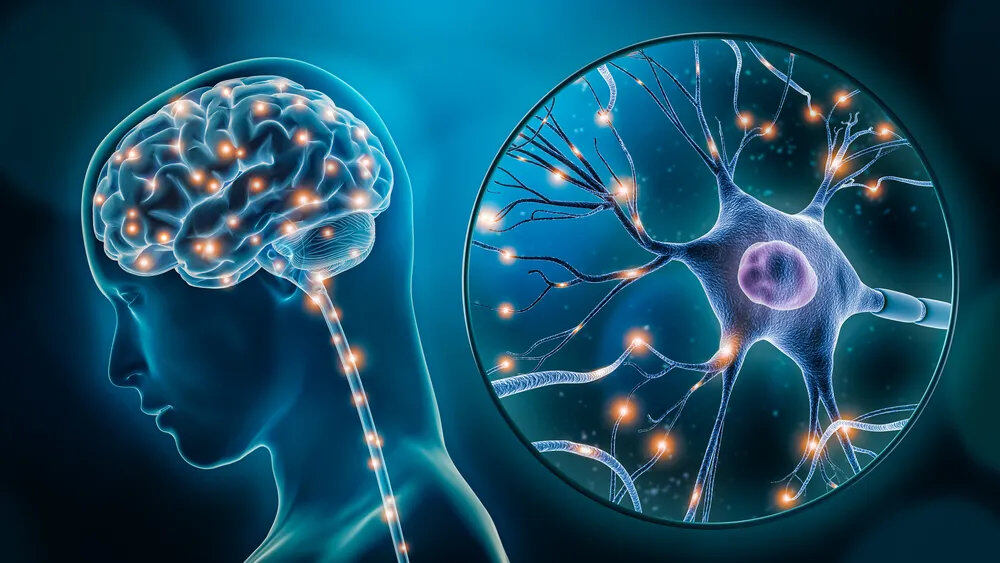
Nasal Drop Exosome Therapy Significantly Enhances Cognitive Function
Start with one breath. Let forgetting wait a little longer.

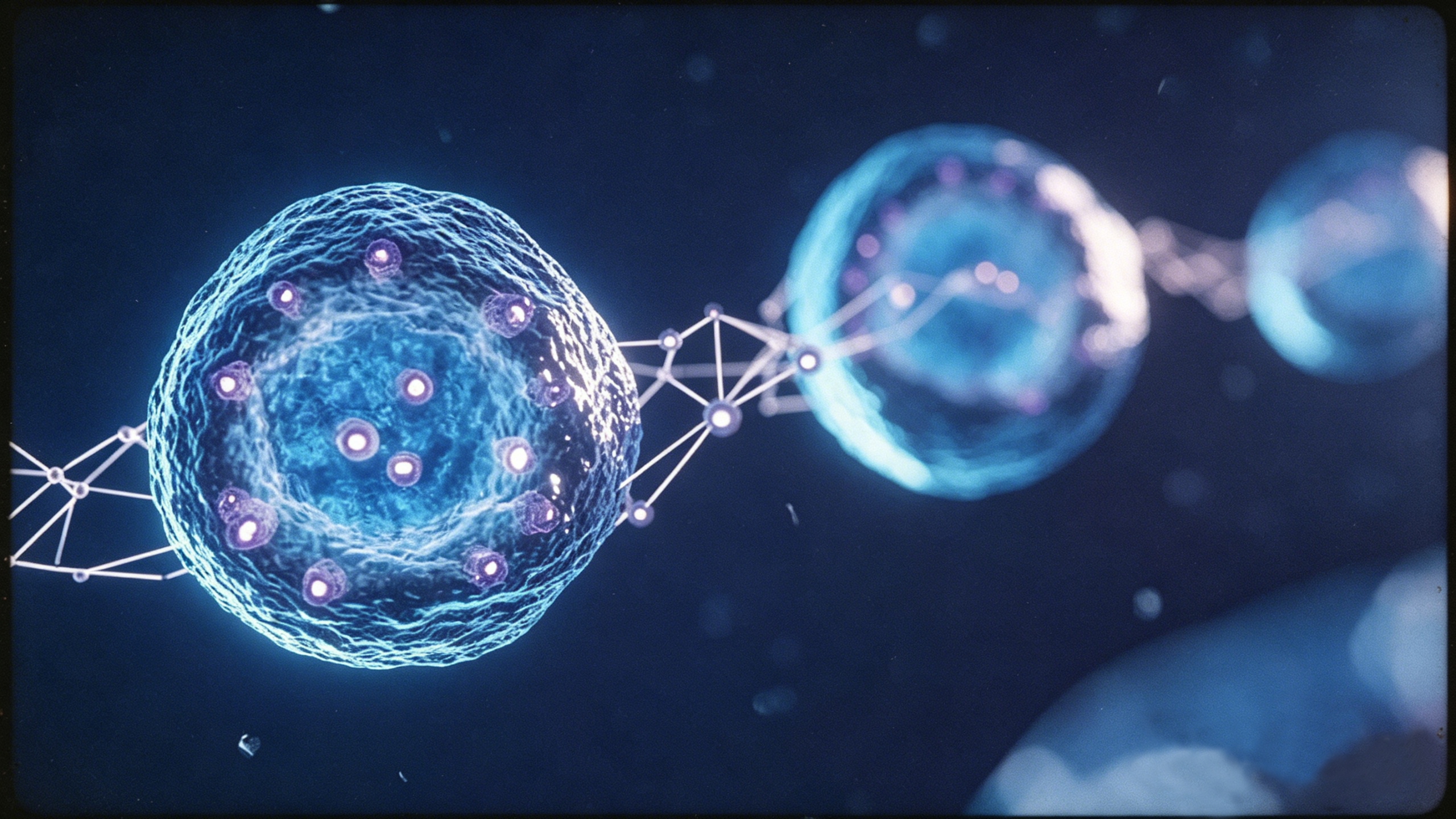

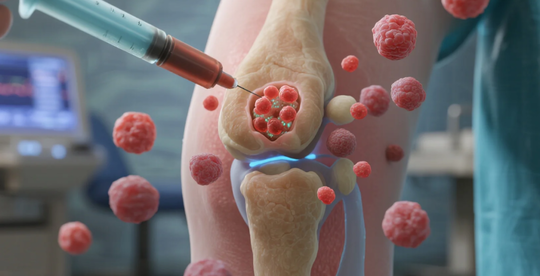
Exosome Therapy for Knee Osteoarthritis
Transforming "Bism" into healing, moving toward regeneration.
Life Sciences
Life Sciences

What are exosomes?
What are exosomes?
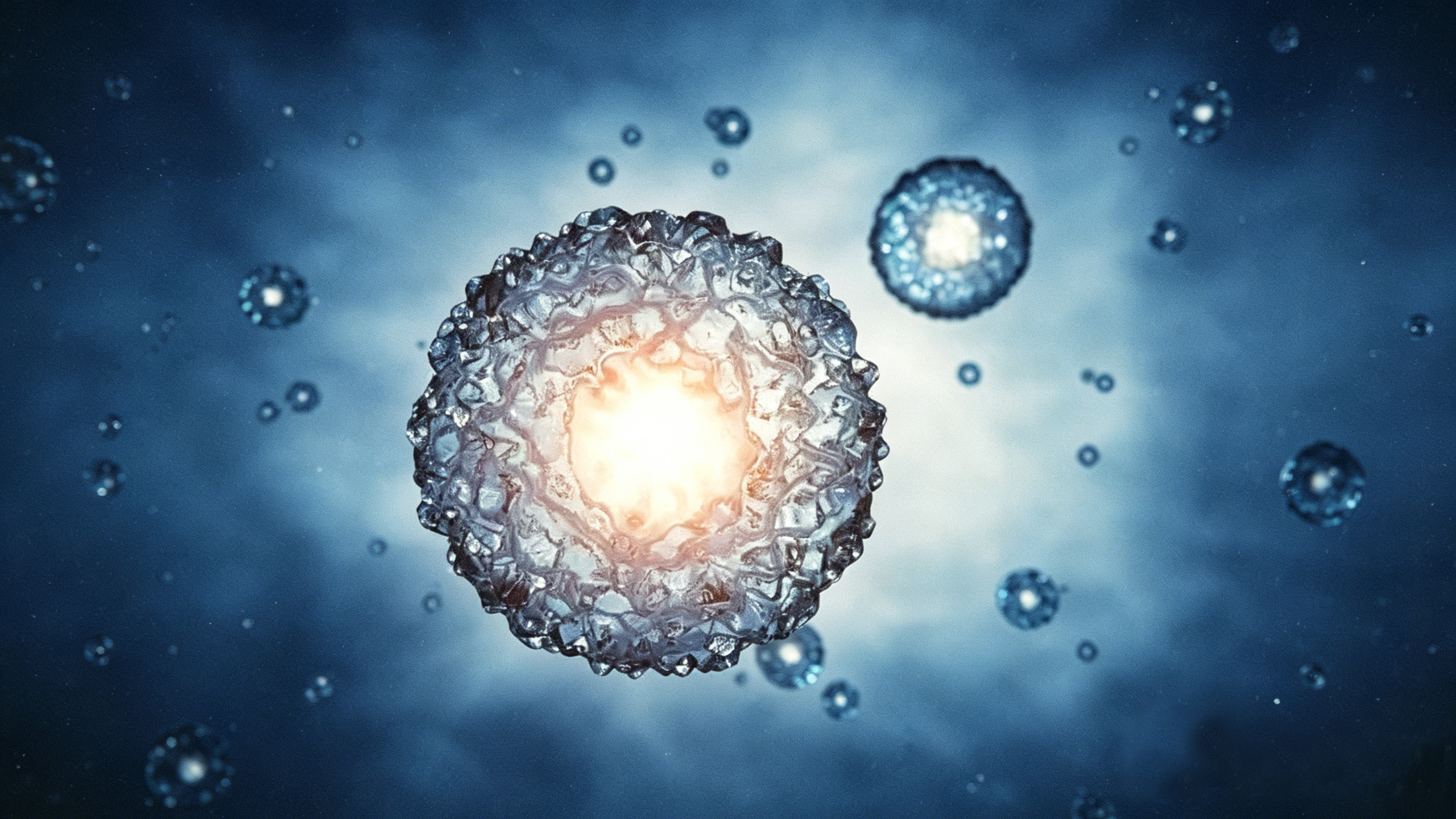
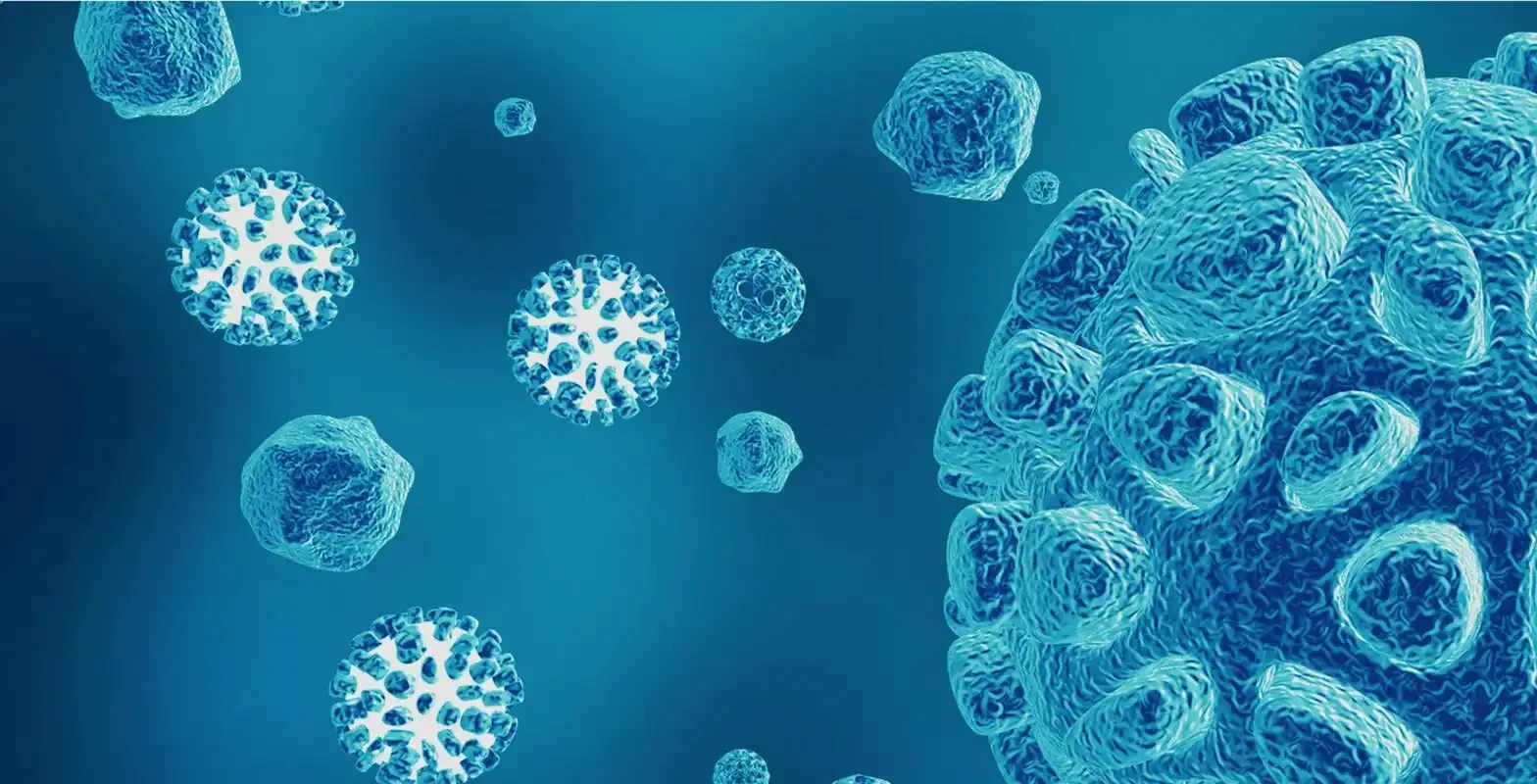
Exosomes are tiny vesicles secreted by cells. With a diameter of 30-150 nm, they are found in biological fluids such as blood, urine, saliva, breast milk, and cell culture media.
Exosomes carry essential information such as proteins, lipids, DNA, and RNA, playing a key role in intercellular communication. In simple terms, exosomes act as "messengers" between cells, delivering nutrients and signals.

What is regenerative medicine?
Regenerative Medicine
Regenerative medicine applications focus on activating endogenous repair mechanisms to promote wound healing, cartilage and bone regeneration, cardiomyocyte and neuronal protection, anti-fibrosis, and skin anti-aging.
Compared to stem cell transplantation, exosome therapy is safer, more stable, easier to store and transport, and can be engineered for targeted drug delivery. Currently, the primary research and application focus is on mesenchymal stem cell-derived exosomes (MSC-Exos). The core strategy replaces live cells with exosomes to mitigate transplantation risks while preserving the therapeutic value of paracrine effects, positioning it as the "next-generation upgrade" of stem cell therapy.
Engineered Exosomes
Engineered Exosomes
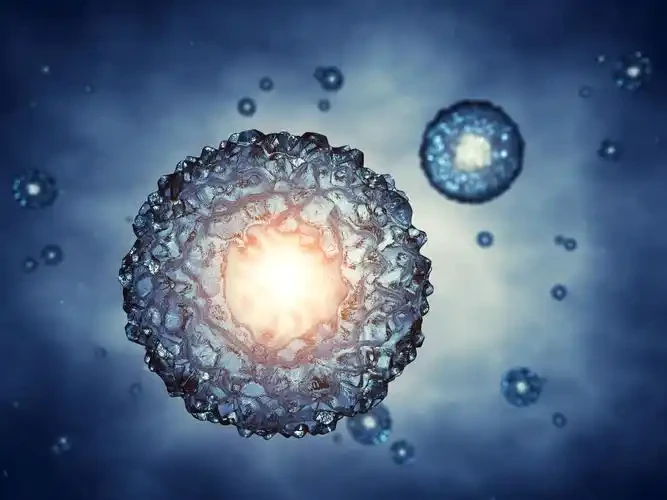
Engineered exosomes generated by genetically modifying parent cells are promising drug delivery carriers.
A smart drug delivery system engineered from natural exosomes via biotechnology can precisely deliver drugs to specific cells or tissues, offering broad application potential in treating cancer, nerve injury repair, and other diseases.
Cell-free, rejection-free, non-invasive delivery—Exosome medicine brings regeneration back to life.