What are exosomes?
What are exosomes?
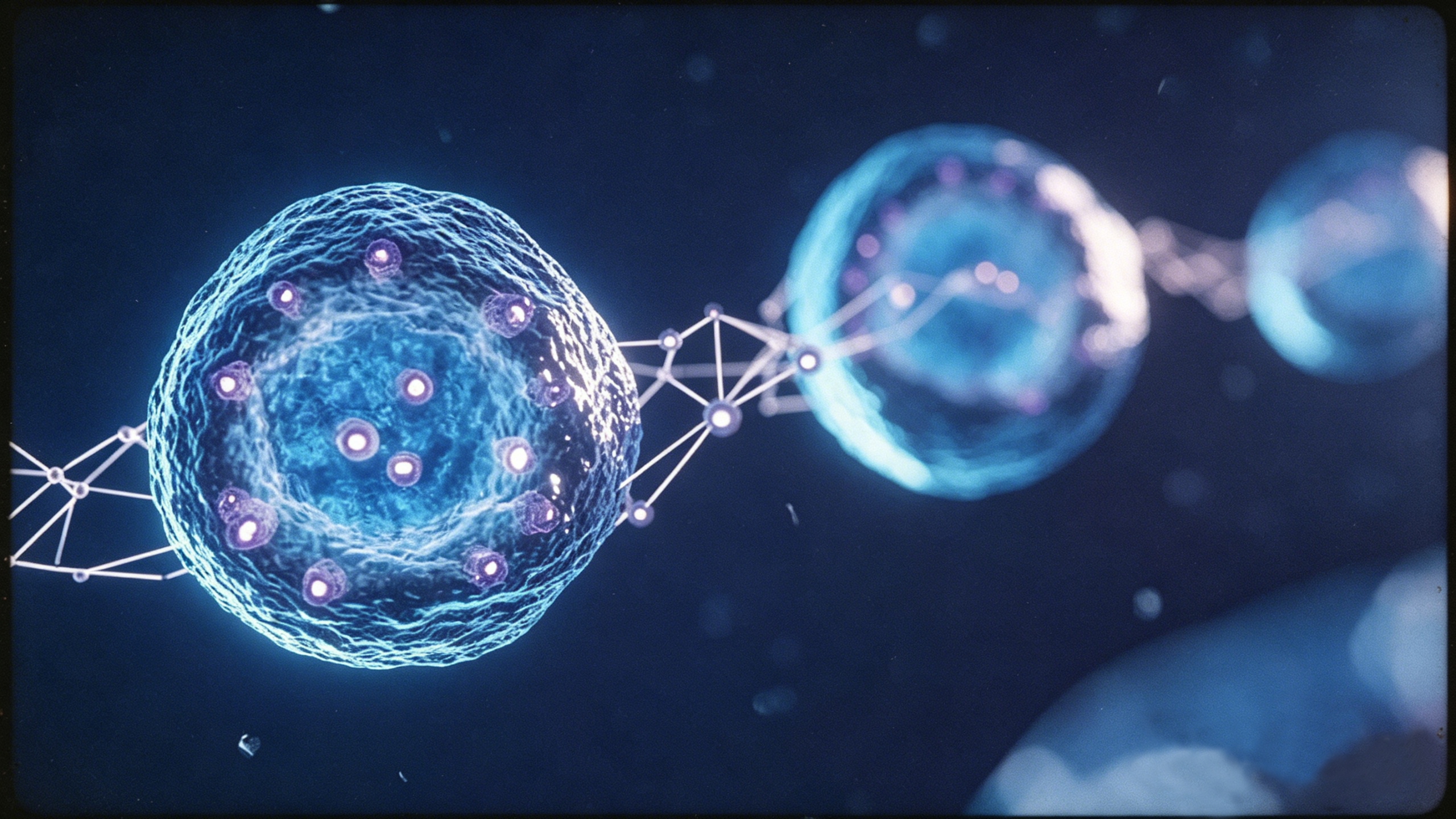
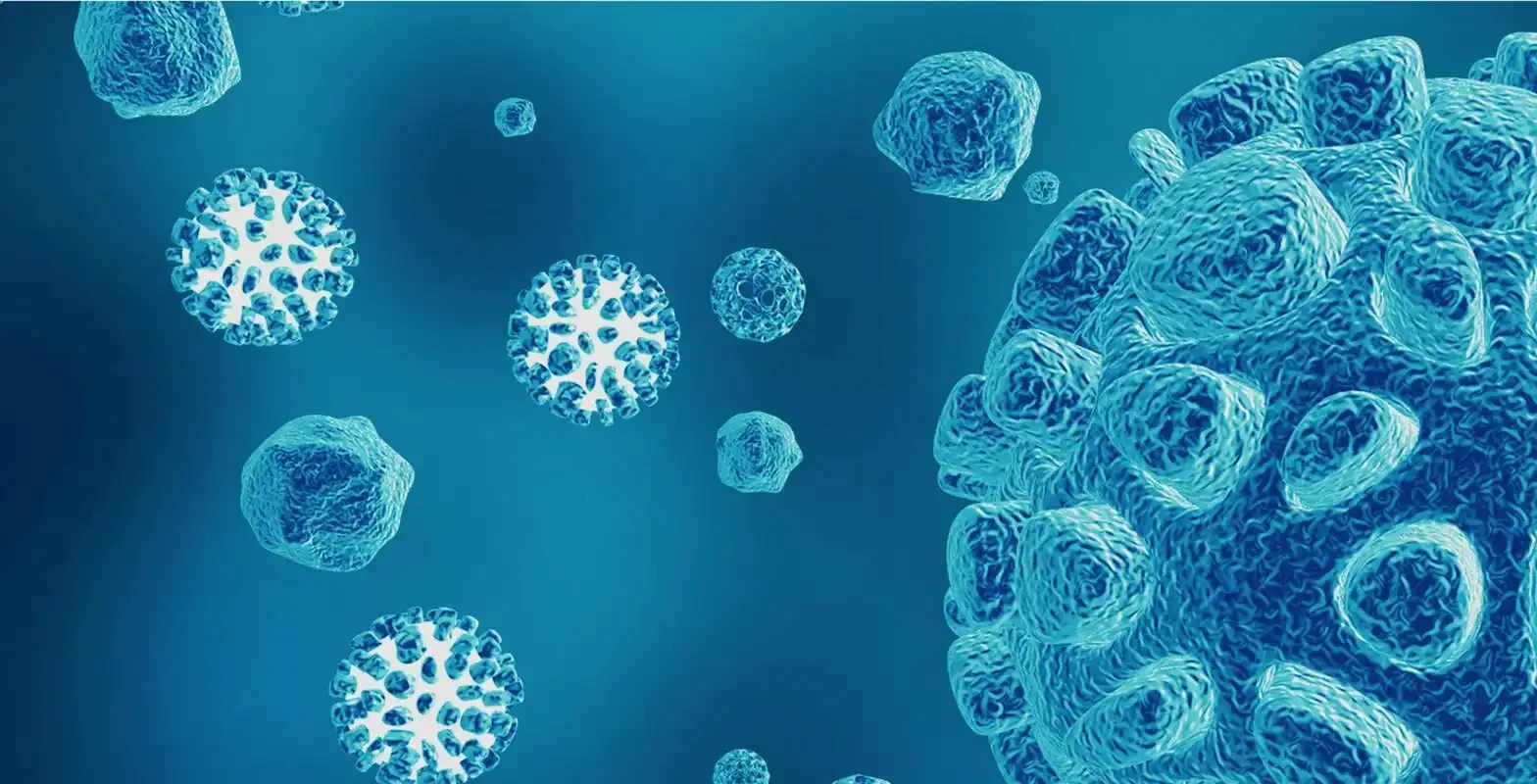
Exosomes are nanoscale vesicles secreted by cells, with diameters ranging from 30 to 150 nanometers. They contain bioactive molecules such as proteins and RNA. Acting as "messengers" that facilitate communication between cells, exosomes are widely found in bodily fluids including blood and saliva.
Exosome Biogenesis and Cargo
Exosomes are formed through invagination of the cell membrane, packaged within the cell, and then released extracellularly. This process gives them a highly stable structure capable of carrying diverse cargo. Studies show that exosomes can encapsulate RNA, DNA, proteins, lipids, and other signaling molecules, while their surface membranes display abundant antigens. However, exosomes secreted by different cells vary significantly in both quantity and content, leading to distinct functional roles for each type.
How do exosomes exert their biological effects?
Exosomes are secreted by cells, disseminate through body fluids such as blood, and are subsequently taken up by other cells, serving as a key mediator of intercellular communication. They exert their biological effects through multiple mechanisms: binding to surface receptors on target cells via exosomal surface proteins or bioactive lipid ligands to regulate downstream signaling pathways; fusing with the target cell membrane to deliver functional cargo—including transcription factors, oncogenes, regulatory non-coding RNAs, mRNAs, and infectious molecules—thereby modulating cellular function. Target cells internalize exosomes via endocytosis or phagocytosis, leading to the release of exosomal contents within the cell and subsequent alteration of its function.
Applications of Exosomes
Exosomes hold significant potential in healthcare, primarily for disease diagnosis, treatment, and drug delivery.
Exosomes as a 1 detection reagent
Exosome detection has emerged as a promising field in recent years. Secreted by living cells, exosomes carry diverse DNA, RNA, and protein components. They are widely present in patient bodily fluids such as blood, urine, ascites, and pleural effusion, and remain stable under low-temperature storage. Consequently, it is relatively straightforward to obtain sufficient biological information from exosomes. By detecting early tumor markers carried within them, we can provide opportunities for early diagnosis.
Exosomes as Disease Therapies for 2
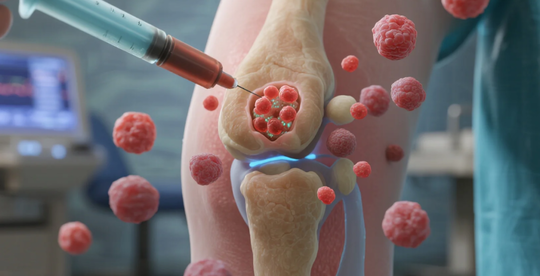
Exosome-mediated cell communication offers advantages over paracrine and endocrine signaling, as each exosome can deliver multiple signals and regulate gene expression at different stages. Taking stem cell-derived exosomes—the most promising for clinical application—as an example, they are involved in key physiological processes such as immune modulation, tumor progression, tissue regeneration, reprogramming, differentiation, telomere function, and aging. Consequently, they are being explored in therapeutic research for age-related conditions including cardiovascular disease, skin disorders, diabetes, and osteoarthritis.
3 exosomes as delivery vehicles
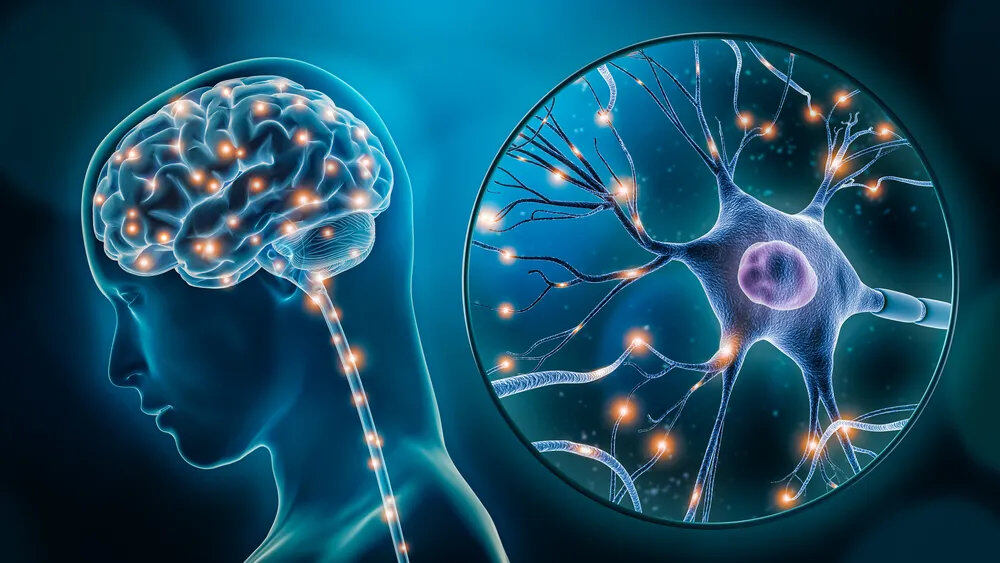
Exosome-based drug delivery is an emerging therapeutic approach. Exosomes can transport bioactive components to tumor cells, influencing tumor progression, metastasis, and drug resistance. They also serve as natural carriers for therapeutic agents, enabling targeted delivery and expanding current precision medicine strategies. As naturally occurring secreted vesicles that are ubiquitous in the body, exosomes exhibit excellent biocompatibility. Their inherent homing capability—the ability to migrate automatically to damaged sites—further enhances their potential for efficient drug delivery. Additionally, surface adhesion proteins make exosomes promising vectors for gene therapy. Their nanoscale size and flexibility allow them to cross major biological barriers, such as the blood-brain barrier (BBB). Therefore, exosomes represent one of the most promising platforms for drug delivery, with significant clinical application potential.
Exosome research is a highly active field. As related technologies mature, exosomes will undoubtedly bring more exciting discoveries.