Memory's Killer: Alzheimer's Disease
The Memory Killer: Alzheimer's Disease
You can't recall recent events; you forget whether you added salt while cooking or where you put things. You might think this is just aging and declining memory, but it could actually be an early sign of Alzheimer's disease.
Alzheimer's disease is not a normal part of aging; it is a medical condition that demands high vigilance and attention. Especially as the population ages, the incidence of Alzheimer's disease is rising steadily.
Understanding the basics of Alzheimer's disease and prioritizing early detection and intervention play a crucial role in its prevention and treatment.
What is Alzheimer's disease?
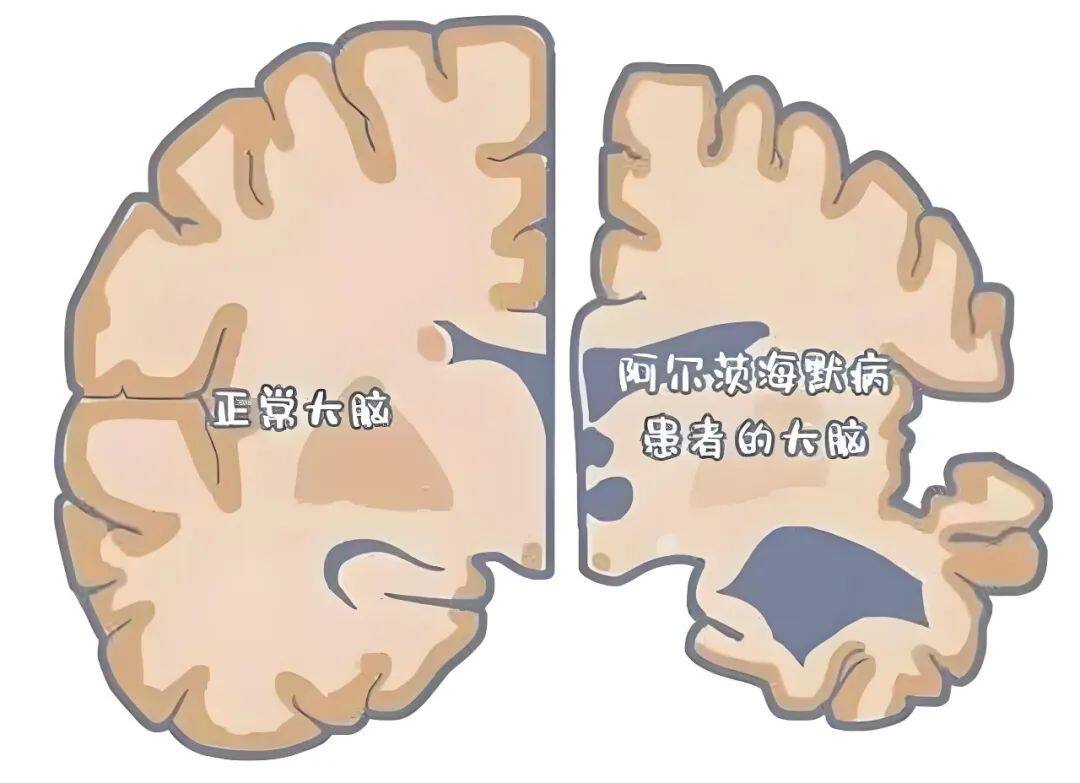
Alzheimer's disease, often colloquially referred to as "senile dementia," is actually a neurodegenerative disorder characterized by insidious onset and progressive decline. It is one of the most common and prevalent forms of dementia in older adults. Its primary manifestations includeProgressive memory impairment, cognitive decline, and neuropsychiatric symptoms, ultimately leading to the loss of ability to perform daily activities. The pathological features of this disease mainly includeSenile plaques formed by the deposition of beta-amyloidandNeurofibrillary tangles formed by hyperphosphorylated tau proteinCurrently, there is no cure, but early intervention and comprehensive management can help slow disease progression. Memory loss in Alzheimer's is not normal age-related forgetfulness; rather, it is aprogressive neurodegenerative diseaseIt acts like an eraser, gradually wiping away a patient's memories, thinking abilities, and even capacity for daily living.
Clinical presentation typically includes:
· Memory impairment;
· Aphasia, apraxia, agnosia;
· Impairment of visuospatial ability;
· Impairment of abstract thinking and computational ability;
· Personality and behavioral changes, etc.
If any of the above apply, we recommend visiting the Geriatrics Department or Memory Clinic for a standardized assessment. Do not wait at home.
Alzheimer's Disease – Can it be cured?
Currently, no drugs can reverse or halt disease progression, butEarly standardized treatment may include the use of cholinesterase inhibitors or NMDA receptor antagonists.Delay cognitive decline, preserve daily living abilities, and reduce the caregiving burden on families.
What can family members do?
1. Communicate patientlyPatients often misidentify people or objects, forget things, or ask the same question repeatedly. In such cases, avoid arguing about right or wrong. Instead, try to redirect their attention or soothe them by acknowledging their feelings.
2.Simplify communicationUse short sentences and speak slowly. Maintain eye contact. When he struggles to find a word, gently guess his intent instead of finishing it for him.
3. Home Renovation: Store hazardous items such as knives, lighters, and medications securely; install grab bars and non-slip mats in the bathroom; remove thresholds to prevent tripping; and add bed rails or motion-activated floor lights as needed to prevent falls at night.
4.Anti-lost measuresApply to patientTracking Braceletor sew an information tag onto their clothing or inside their shoes (including name, medical condition, and emergency contact number). Always ensure they are accompanied when going out. If possible, install a home entryway monitoring system.Door Magnetic Sensor。
5. Establish a daily "ritual"Maintaining a fixed schedule for waking, meals, walks, and sleep helps preserve residual time orientation in patients and reduces confusion and agitation. In late stages, swallowing difficulties may arise; therefore, food should be pureed or soft, served in small, frequent portions. If the patient refuses to eat, evaluate for physical causes such as tooth pain, constipation, or depression.
4. Caregivers need care too
① Embrace imperfectionCaregivers need not blame themselves for occasional emotional outbursts. Caregiving is a long marathon; emotional fluctuations are normal.
② Seek a break proactively: Schedule regular breaks for a few hours each week by having another family member take over. Go for a walk, meet friends, or see a movie. Many communities offer "adult day care" or short-term respite services—take advantage of these resources.
③ Watch for signs of anxiety or depression in yourself: If you experience persistent insomnia, irritability, or loss of interest in everything, seek help from a mental health specialist or geriatrician. Taking care of yourself is the most enduring way to support your loved one.
Alzheimer's is a long goodbye. Early detection, timely intervention, and scientific care can slow this process and bring more warmth. For concerns or needs, please visit a specialized clinic. Let us together guard the warmth of memory.